Research project on citizen energy
ENGAGE: The energy transition needs social innovation
How participatory methods enrich technical solutions with human perspectives.
Our workshop series for the ENGAGE project takes 48 energy transition experts through a creative design sprint process that surprises and connects. The result is not just eleven approaches to social innovation, but a network that drives the energy transition forward – from local solutions to systemic change.
The Challenge
Participation as a success factor for transformation
The technical foundations for the energy transition are in place. What's missing is social participation. IKEM's ENGAGE project explores social innovation as the key to a participatory transformation. Our task: to design and run three innovation workshops that connect energy transition experts and jointly develop new forms of participation.
Outcome and Services
How co-creation between researchers and journalists succeeds
By combining participatory design with strategic communication, we create a framework where genuine co-creation happens. The results speak for themselves: from podcasts to interactive platforms to citizen science initiatives, media projects emerge that set new standards. Our modular concept of analog and digital workshop formats, informal spaces for encounter, and structured collaboration phases enables complex international cooperation.
1
Three thematic innovation workshops
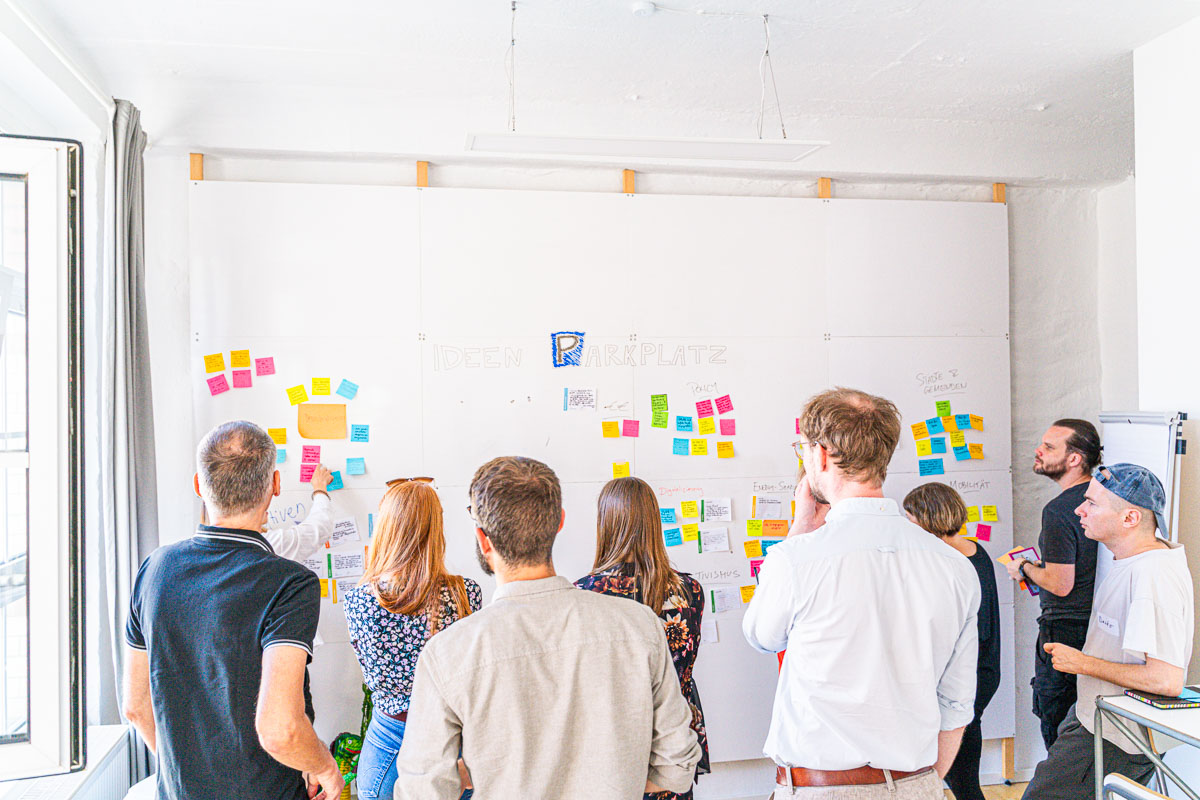
One-day formats with 12-19 participants on engagement opportunities, social innovations, and shared building energy supply.
2
Methodological development process
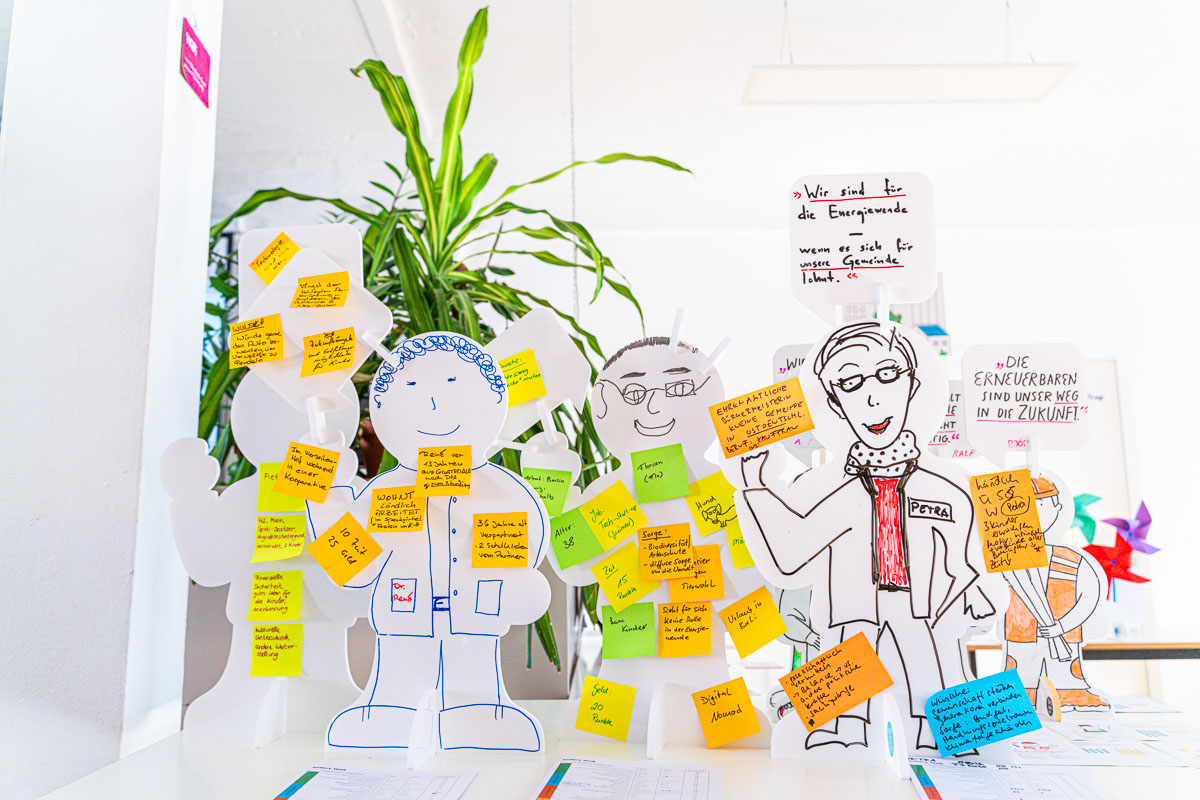
Iterative development of gallery walks with gamification elements, design sprint components, and AI-supported visualizations. Each workshop built on the insights of the previous one.
3
Networking platform for energy transition stakeholders
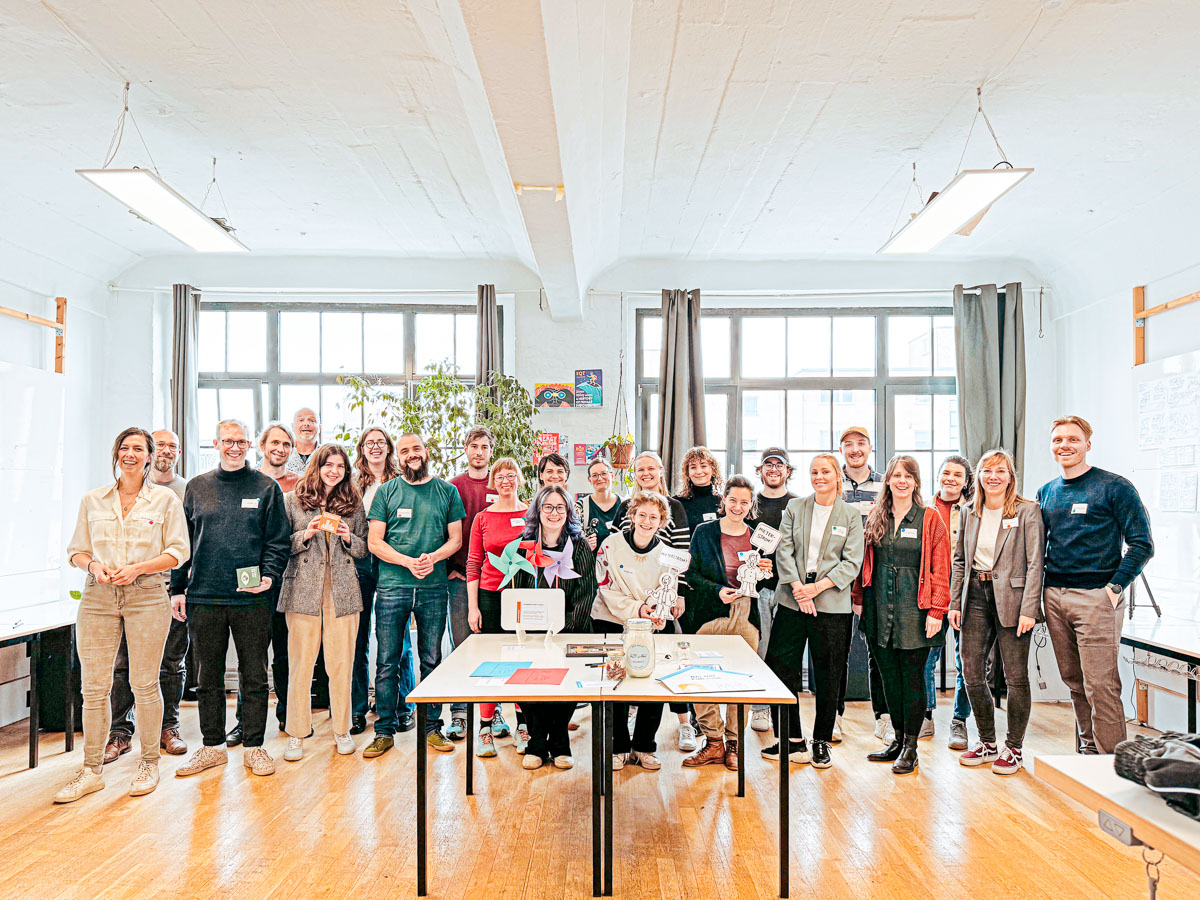
Systematic bringing together of experts from research, practice, the startup scene, and activism.
4
Digital experience worlds
Building and managing complex virtual environments with various spaces for interaction, from informal networking areas to workspaces designed for focused collaboration.
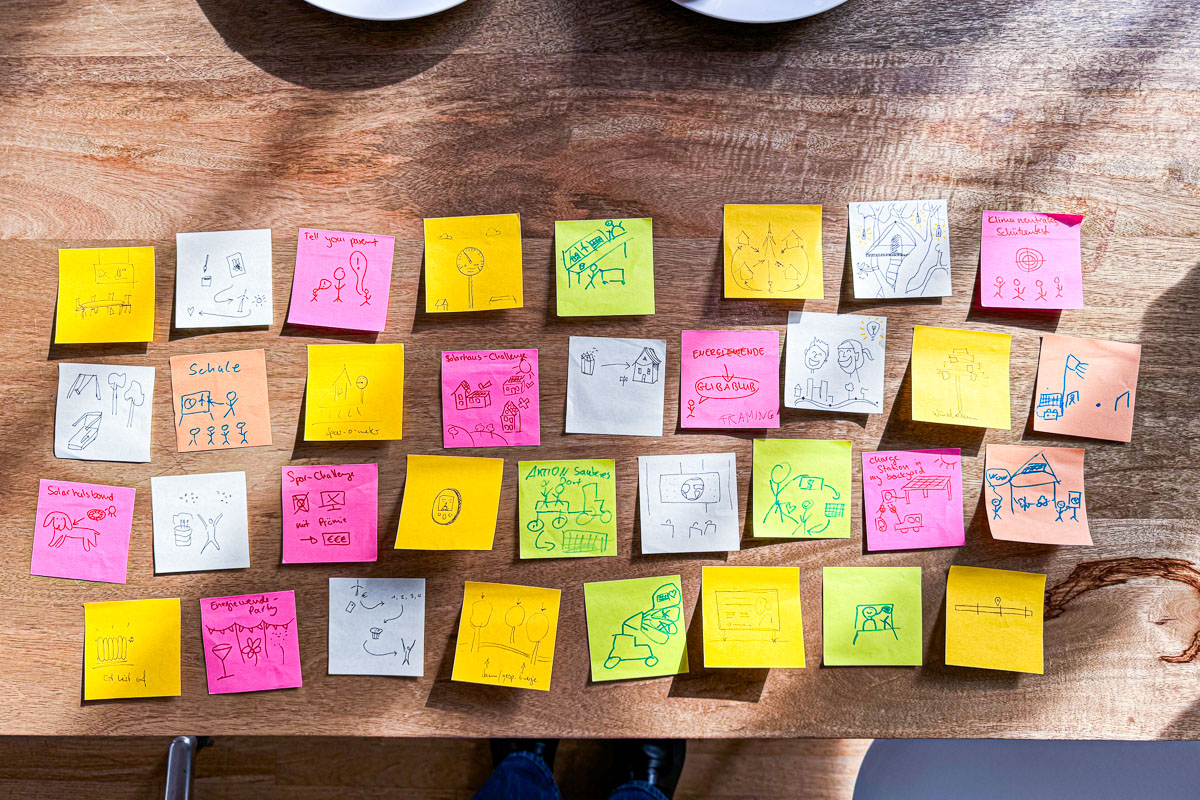
Workshop 1: Engagement opportunities and networking
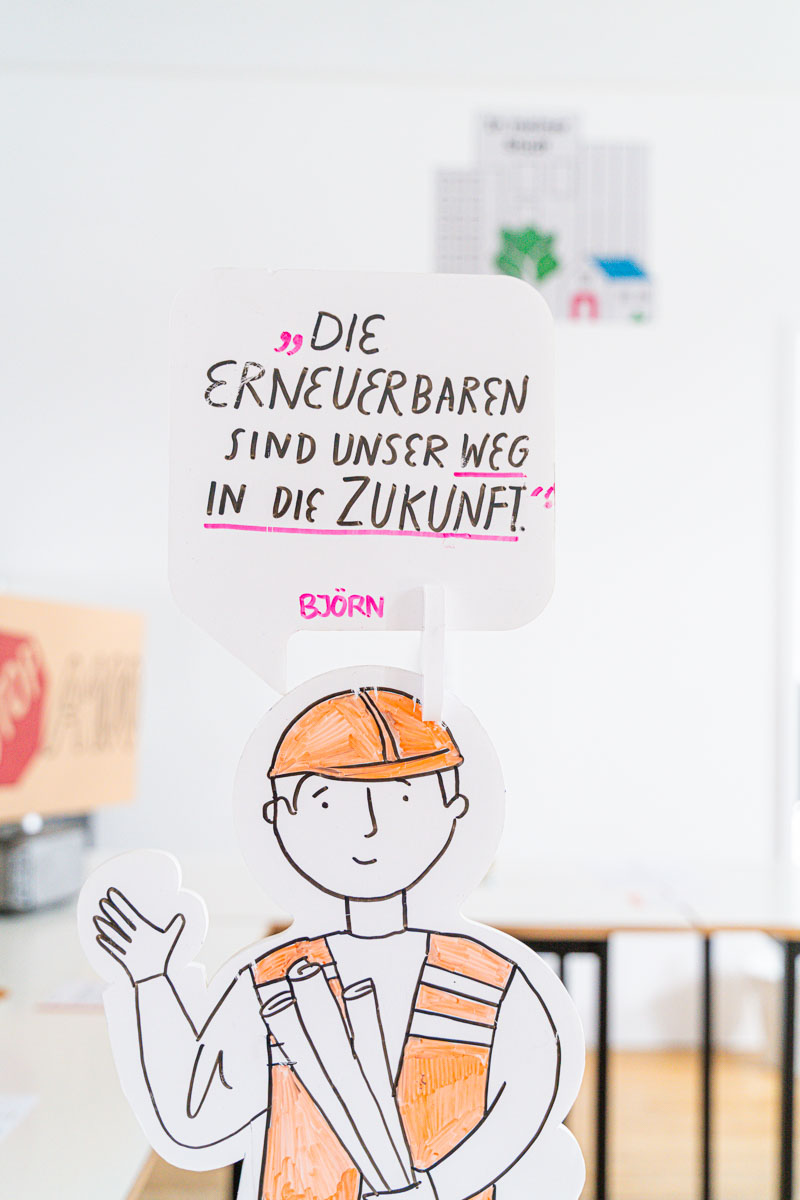
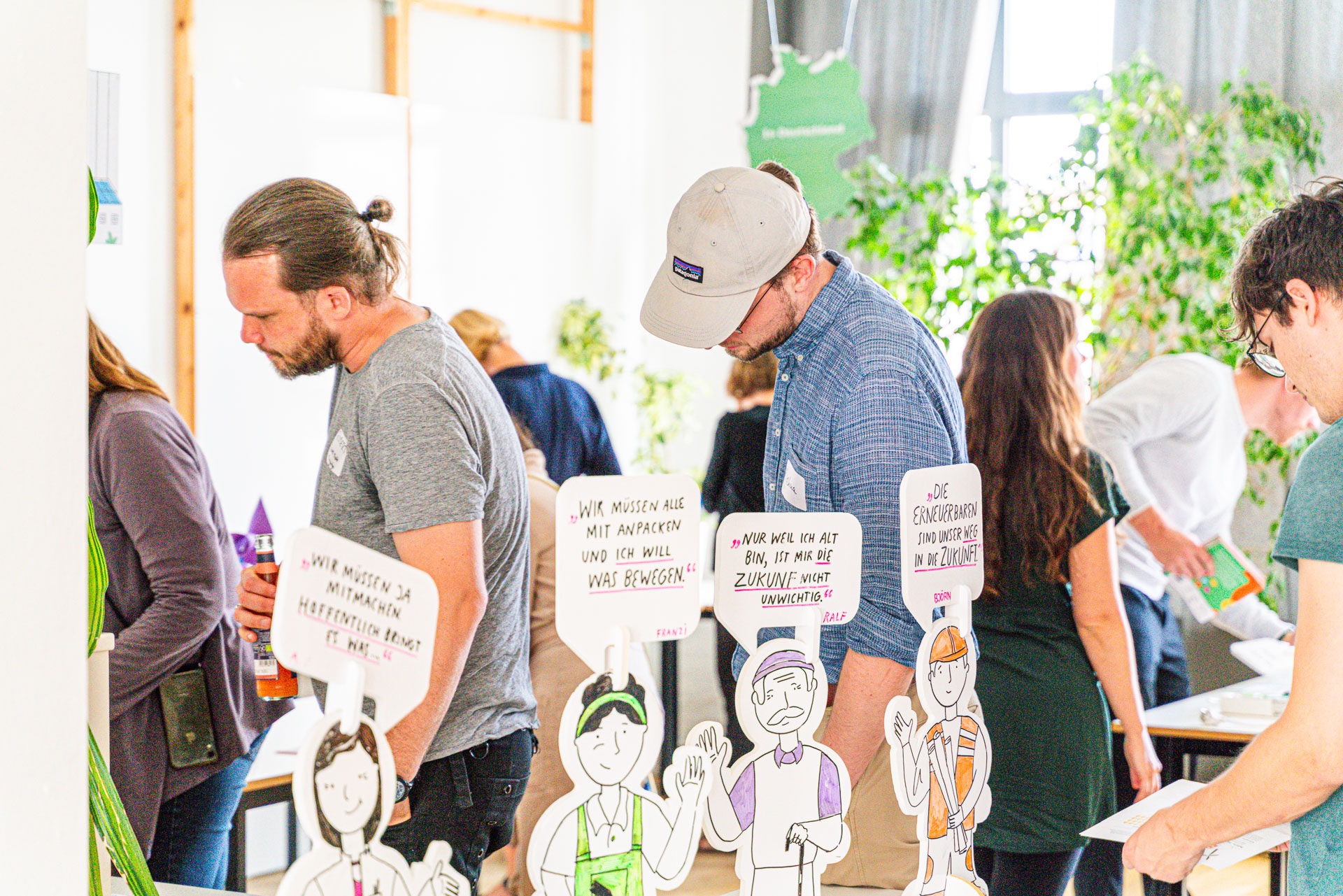
The first workshop laid the groundwork for understanding social innovation in the energy transition. Participants explored the wide range of existing participation opportunities and reflected on their accessibility for different target groups. The "News from the Future" format was especially effective, developing positive visions for the energy transition in 2030 and creating a solution-oriented framework.
Workshop 2: Systematically developing social innovations
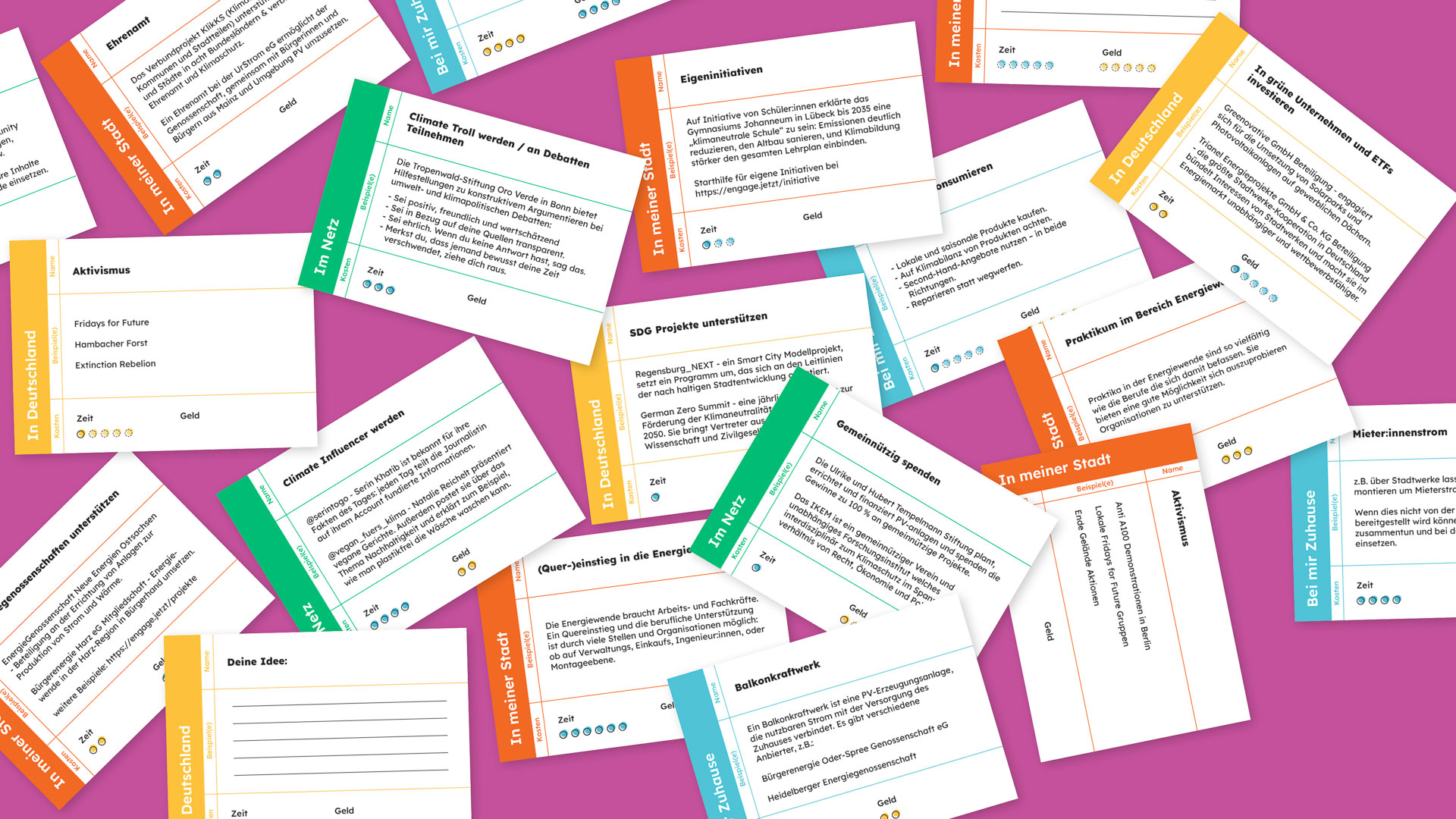
The second workshop deepened the methodological engagement with social innovation. This is where the idea canvases were used for the first time – large-format posters that enabled the systematic development of new approaches. Participants worked in small groups on concrete innovation projects and received support through AI-generated visualizations of their ideas.
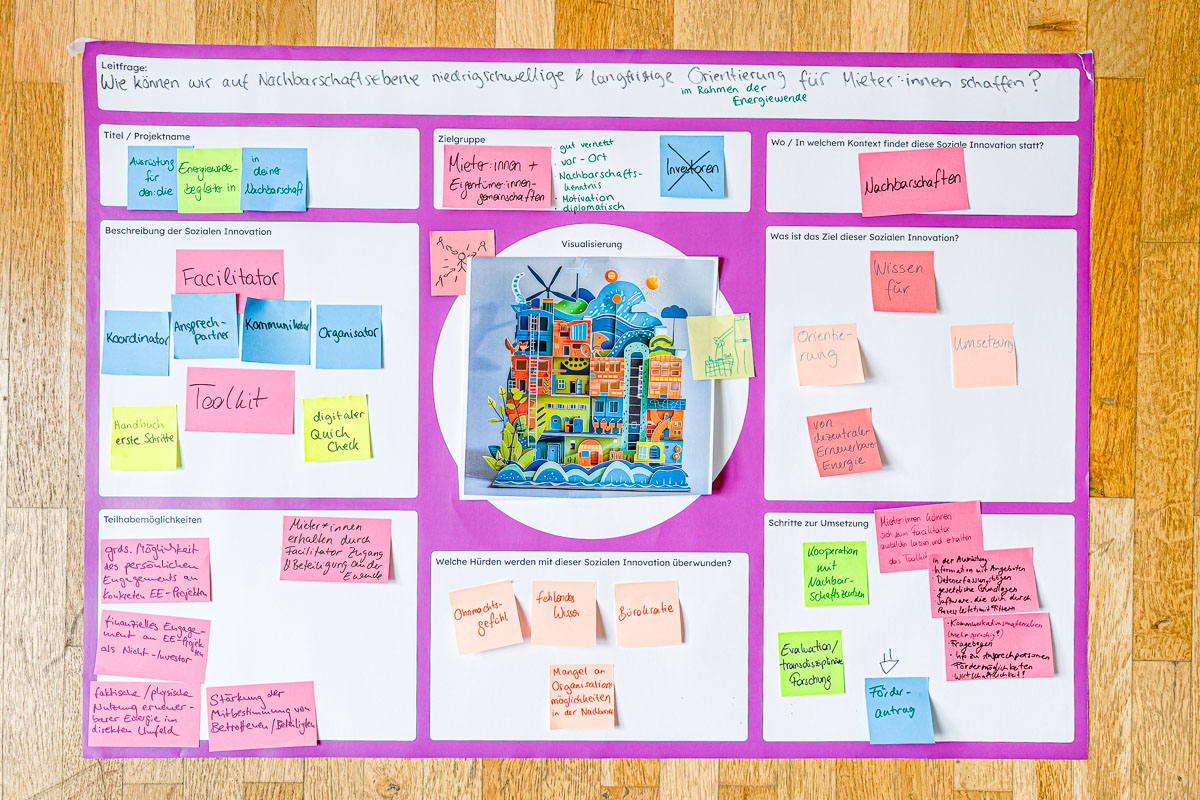
Workshop 3: Shared building energy supply
The third workshop focused on a highly topical special theme: the practical implementation of shared building energy supply. The timing was challenging, coming just one week after the passage of the Solar Package I, which left many legal and practical questions still unresolved. Paradoxically, this uncertainty led to especially creative and innovative solution approaches.